Empower your drilling operations with the new standard in well construction software. PWDa 2026.2 is officially live, bringing a suite of field-tested enhancements designed to eliminate guesswork and maximize efficiency on the rig. By combining highly detailed geometry modeling with powerful new Machine Learning algorithms and direct rig integration, this update turns real-world challenges into automated, data-driven solutions.
PWDa Web: Enhanced Project & Hydraulic Editors
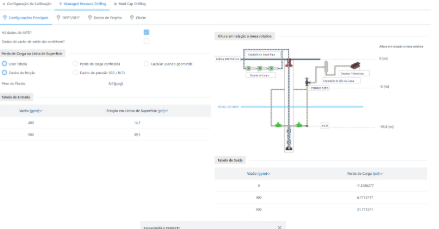
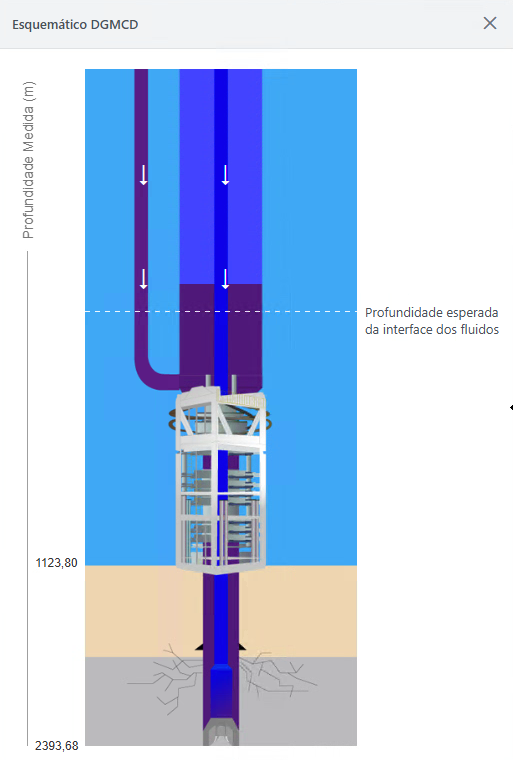
- Dedicated Pressure Loss Calibration: Advanced drilling techniques now feature dedicated editors. The Managed Pressure Drilling (MPD) editor allows users to calibrate system pressure loss parameters with high precision, aligning with actual well behavior. A specialized schematic for Mud Cap Drilling (DGMCD) simplifies parameter visualization and configuration directly within the editor interface.
- Independent Booster Fluid Configuration: A new Booster Fluid editor enables independent configuration of fluid properties used in the booster line during operations.
Advanced Geometry Modeling
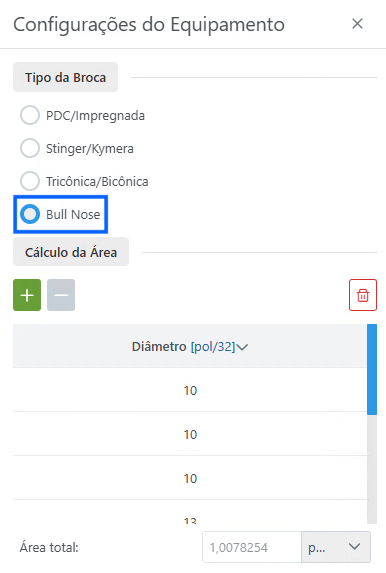
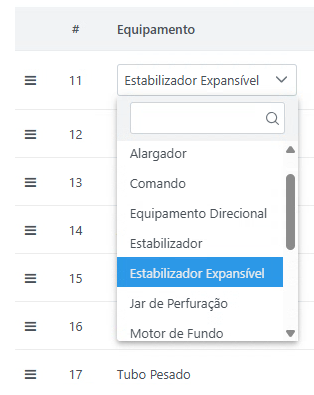
- Expanded Tool Library: New equipment models have been added to support complex downhole operations, including Bull Noses (used with reamers to direct flow).
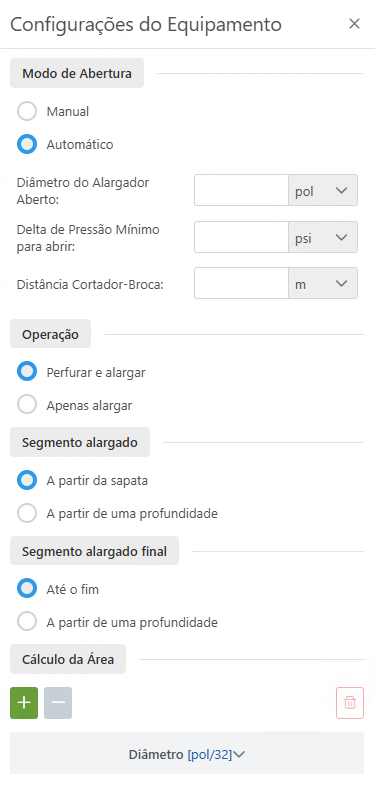
- Expandable Stabilizers, and Reamers with configurable manual or automatic opening modes.
- Downhole Motor Precision: Dedicated fields for “Maximum Differential Pressure” and “Maximum Torque” replace old stall-pressure approximations, enabling the ROP optimization module to calculate parameters based on true motor capabilities.
Drilling & ROP Optimization
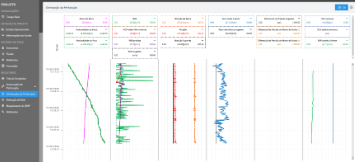
- Centralized Optimization Dashboard: A unified dashboard consolidates critical operational data tracks in real time, including recommended vs. measured parameters and downhole motor differentials. It features predictive Unconfined Compressive Strength (UCS) curves at the bit and for the next 10 meters ahead to guide proactive operational decisions.
- Next-Generation ROP Machine Learning Models: ROP optimization can now run independently without relying on UCS data. Upgraded Machine Learning models account for varying bit diameters, well phases, reamers, downhole motors, jet configurations, and Total Flow Area (TFA).
- Flexible Operational Limits: Configurable filters for inclination, stick-slip, and vibration can be toggled and adjusted directly within the operational limits editor.
Automated Workflows & Field Integration
- Live Field Automation: PWDa’s automation module interfaces directly with rig control systems (such as DEAL and NOVOS) to automatically stream data-driven operational suggestions to active field operations, proving its reliability in real-world environments.
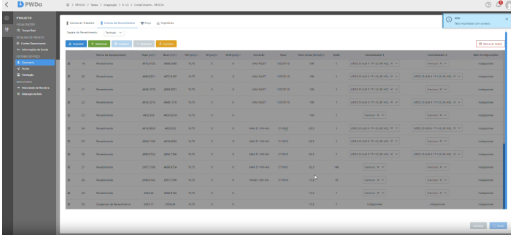
- Automated Casing Setup: Tally spreadsheet imports and centralizer placement are fully automated, accelerating project assembly and eliminating manual configuration errors.
Platform-Wide Usability & Performance
- Cloud Reliability & Continuous Enhancements: Users can now immediately open projects upon import completion via a new action button. Real-time curve updates are faster, supported by ongoing infrastructure migration to AWS for enhanced platform stability and speed. Technical documentation figures in the user manual have also been upgraded for greater clarity.
Support & Resources
- Technical Documentation: Access user guides and technical materials in our Technical Library.
- Direct Support: Get assistance via Contact Us or reach out directly to your account manager.